
Monastery of the Apostle Andrew in Northern Cyprus
The Monastery of Apostle Andrew is one of the most significant Orthodox shrines in Northern Cyprus. It is located at the very edge of the Karpas Peninsula and has remained a place of pilgrimage for centuries, primarily for Greek Orthodox Christians. Even today, despite its remoteness, the monastery is visited by thousands of people each year.
The monastery is dedicated to Saint Andrew — one of the twelve apostles of Jesus Christ. The monastery is known for its miraculous freshwater spring, which is believed to have healing properties. Below you will find the history of the monastery, practical information for visiting, and tips on what to see nearby.
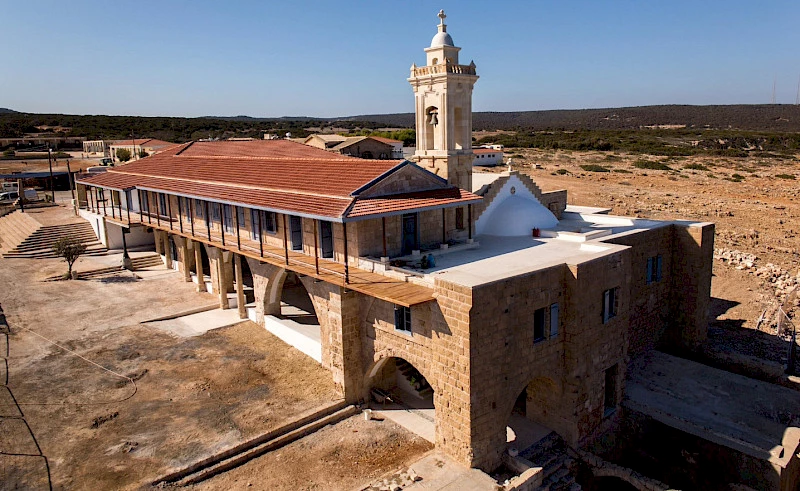
History of the Monastery
The origins of the Monastery of Apostle Andrew date back to the Byzantine period. The earliest written mention of a church at this location is from the 12th century. According to legend, Saint Andrew arrived at the shores of Karpas during a storm, struck a rock with his staff — and a freshwater spring gushed out, saving the ship’s crew.
Over the centuries, the monastery developed and was rebuilt, especially during the Venetian and Ottoman periods. The current church building, constructed in the 18th century, combines Byzantine and Frankish architectural elements and is a typical example of traditional Cypriot ecclesiastical architecture.
After the events of 1974, the monastery ended up in the northern part of the island, and pilgrimage by Greek Cypriots became severely limited. Due to the lack of regular maintenance, the complex began to fall into disrepair.
In recent years, the monastery has been partially restored as part of a joint project by Greek and Turkish Cypriots with support from international organizations. The restoration returned the monastery’s historical and spiritual significance.
How to Get to the Monastery
The Monastery of Apostle Andrew is located at the eastern tip of the Karpas Peninsula, in one of the most remote corners of Northern Cyprus. The journey here is a trip in itself, offering scenic views.
There is a spacious parking area directly at the monastery.
Public transport does not go here. Alternatives include organized tours or private transfers. You can arrange a trip in Telegram community chats “Excursions” and “Taxi”.
What to See Nearby
Just a few minutes away is the easternmost point of Cyprus, which is also the northernmost point of the island.
The Karpas Peninsula is famous for its wild donkeys. They often wander onto the road, so it is advisable to drive slowly and have a carrot on hand — without it, the donkeys may not let you pass. More details can be found in the article about the donkeys of Karpas.
If you are coming from the Girne side, it is worth visiting Kantara Castle, from where, on a clear day, you can see panoramic views of the entire peninsula and the Mediterranean Sea on both sides.
Frequently Asked Questions
Is there an entrance fee to the monastery?
Entrance to the monastery is free. Candles are also provided free of charge, although donations are customary.
What are the monastery’s opening hours?
The monastery is usually open from early morning until sunset. On holidays and religious days, the schedule may vary.
Can I take photos inside the monastery?
Photography is allowed in most areas, but it is recommended to show respect to worshippers and clergy.
Are there any facilities nearby?
There is a small café and toilets near the monastery. However, it is recommended to bring water, especially during hot weather.
How can I find the miraculous spring?
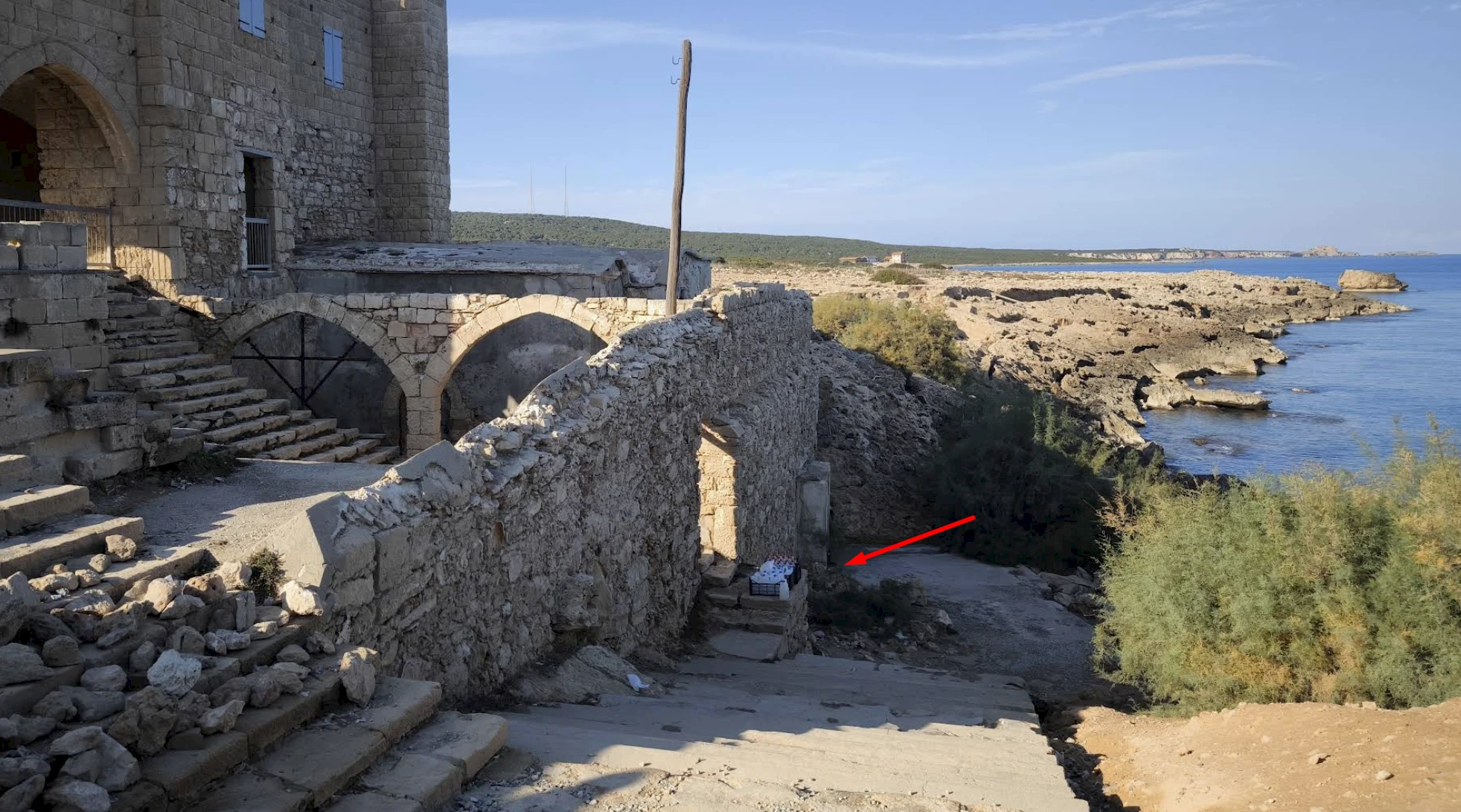
The spring is located by the old church, closer to the sea. You need to pass through an arch in the wall and go down the stairs to the left.
Follow our Instagram and Telegram channel — we regularly share information about the most interesting places in Northern Cyprus.
Author

I am a person who is not afraid to change life when my heart tells me that something greater lies ahead. I am originally from Belarus. I have journeyed from pedagogical and economic education to the financial sector and many years of work in logistics — a world where everything moves, changes,…