
Astronomers study the risk of an asteroid colliding with the Moon in 2032
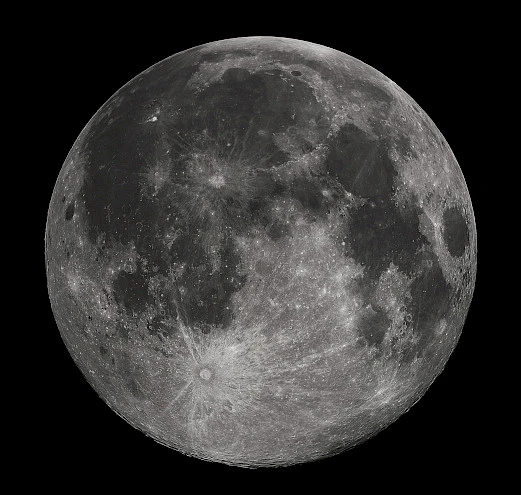
Astronomers are closely monitoring asteroid 2024 YR4, approximately 60 meters in diameter, which current calculations suggest could collide with the Moon in 2032. The probability of this scenario is estimated at about 4%.
Scientists estimate that in the event of an impact, the released energy would be comparable to the explosion of a medium-yield thermonuclear device. The collision could create a crater about one kilometer in diameter on the Moon's surface. The moment of impact is expected to be visible to the naked eye from the Pacific region.
Seismic waves generated by the collision would travel through the entire Moon and be equivalent to an earthquake of about magnitude 5.0. Scientists expect this will provide new data on the Moon's internal structure, its core, and layers.
Modern instruments, including the James Webb Space Telescope, are planned to be used for observations, which will be able to track the cooling of molten material in the crater and gather unique data on impact mechanisms.
After the impact, part of the lunar soil and rock fragments may be ejected toward Earth. Experts estimate that up to 400 kg of fragments could enter Earth orbit, creating potential hazards for satellite communication, navigation, and internet systems.
Scientists also consider the risk of chain collisions in orbit, which could lead to a sharp increase in space debris. Meanwhile, a large meteor shower is expected in Earth's atmosphere, which could be spectacular but not dangerous.
Space agencies are already discussing scenarios for deflecting the asteroid. The decision will depend on more precise measurements during the asteroid's close approach in 2028.
Scientists face a choice: either observe a rare cosmic event that could provide invaluable scientific data or take measures to protect Earth's orbital infrastructure.
Author
I am originally from St. Petersburg — a city with a unique character and rhythm. My professional life began rapidly: at just 16, I plunged into the world of global events. The World Cup, the roar of Formula 1 cars in Sochi, the energy of VK Fest, and the backstage of Fashion Week — I always…
You may also be interested in:
- Health Minister Hakan Dinçürek considers the use of digital cards for tracking doctors’ attendance acceptable
- A suspect detained in Lefkoşa for 55 days of illegal residence in the TRNC
- Concrete mixer driver fined for polluting the road on the Büyükkonuk–Kaplıca section
- Several road accidents occurred in Northern Cyprus over the weekend, some involving drunk drivers
- In Lefkoşa, a man has been arrested in a case involving violence, threats, and intentional bodily harm
