
Prickly pear in Northern Cyprus — what this fruit is, when it ripens, and how it is eaten
In this material, you will learn what prickly pear (babutsa) is, how it is eaten, when it ripens in Northern Cyprus, and why it is valued in cuisine, medicine, and cosmetology.
- What prickly pear is
- How prickly pear is used
- When prickly pear ripens
- How to properly peel prickly pear
- Prickly pear in the culture of Northern Cyprus
- And finally
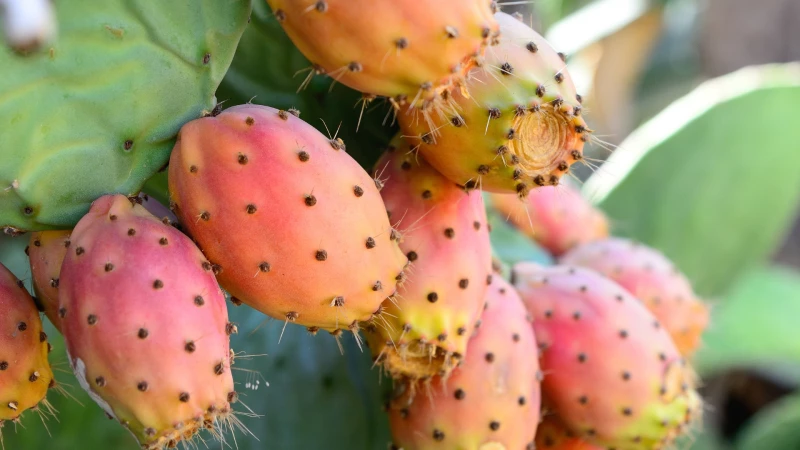
Yes, you understood correctly: in Northern Cyprus, people eat cacti — more precisely, their fruits. This unusual fruit is called prickly pear, or locally babutsa. It ripens only once a year, and locals eagerly await the season.
What prickly pear is
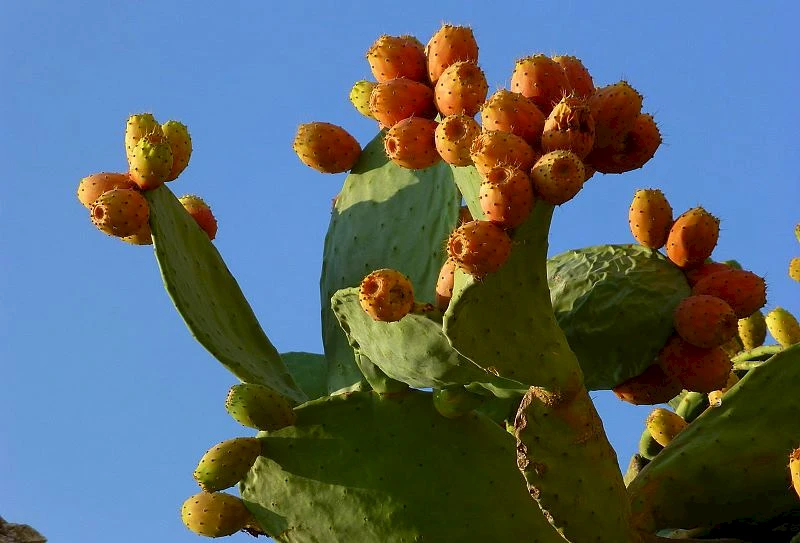
Prickly pear is a type of cactus widely spread across the Mediterranean. It came to Cyprus several centuries ago thanks to seafarers and soon adapted perfectly: the hot climate and rocky soil suit it ideally.
The plant serves several purposes at once:
-
acts as a sturdy “living fence” around plots,
-
is used in food,
-
is applied in medicine,
-
is valued in cosmetology.
Prickly pear fruits have juicy pulp and a flavor reminiscent of cucumber with a slight tang — very refreshing in hot weather.
How prickly pear is eaten and used
Prickly pear is an amazingly versatile product.
In cuisine
The fruits are used to make:
-
salads,
-
jellies and jams,
-
homemade candies,
-
juices and refreshing drinks,
-
omelets (in some villages, cactus pulp is added),
-
desserts,
-
and in Malta, they even make a liqueur called Bajtra from prickly pear, which has become a local specialty.
The fruits can also be eaten fresh — peeled and slightly chilled.
In medicine
Prickly pear oil and plant extracts are used in natural and pharmaceutical remedies.
The fruits contain: vitamin C, carotene, flavonoids, fiber, rutin, magnesium, potassium, calcium, zinc, iron.
The flowers are rich in: amino acids, antioxidants, nicotinic acid, selenium, minerals.
In Cyprus, prickly pear is traditionally used:
-
for digestive issues,
-
to boost the immune system,
-
as a mild tonic.
In cosmetology
A rare and valuable prickly pear seed oil is extracted from the seeds. It is known for:
-
a pronounced rejuvenating effect,
-
its ability to retain moisture,
-
a high content of vitamin E and antioxidants.
The oil is used to produce premium creams, serums, and masks — it is considered one of the most expensive plant oils in the world.
When prickly pear ripens in Cyprus
Prickly pear flowers appear as early as April, but the fruits fully ripen only by late August — early September.
During this period, various municipalities of Northern Cyprus hold prickly pear festivals — with tastings, homemade jam sales, workshops, and folk music.
How to properly peel prickly pear
The fruits are covered with many microscopic spines — glochids. They are almost invisible but easily lodge in the skin and cause strong irritation.
Here is how to safely peel the fruits:
-
Use gloves — preferably thick gardening ones.
-
Rinse the fruits under a strong stream of water or gently scrub them with a brush.
-
Some Cypriots scorch the fruits with a gas burner — this instantly removes the spines.
-
Make an incision along the side of the fruit.
-
Peel off the skin by lifting it with a knife and carefully remove the pulp.
-
Make sure no spines remain on your hands — they can be very tiny.
Important: do not touch the flowers with bare hands — they are also protected by fine needles. For clarity, you can watch this video.
Prickly pear in the culture of Northern Cyprus
Babutsa is more than just a fruit. It is part of rural life:
-
the plants are used as natural windbreaks,
-
the fruits are sold at seasonal markets,
-
children learn early on how to peel them properly,
-
babutsa is part of traditional rural recipes.
Many Cypriot families have their own “family” cactus thickets, where they harvest the fruits each year.
And finally
In Northern Cyprus, they eat not only cacti. The island loves carob, produces strong zivania, enjoys fruits rarely found in Europe, and preserves many gastronomic traditions inherited from past generations.
Author
Education: Moscow State University (MSU), Faculty of Journalism, specialization "Television Journalism." Thesis topic: "System of Psychoinformational Influences and Their Possible Application in PR," defended at the Department of Advertising and PR on May 25, 2007. Courses, internships,…