
Rising prices and import dependency: the risks of a new wave of instability for Cyprus
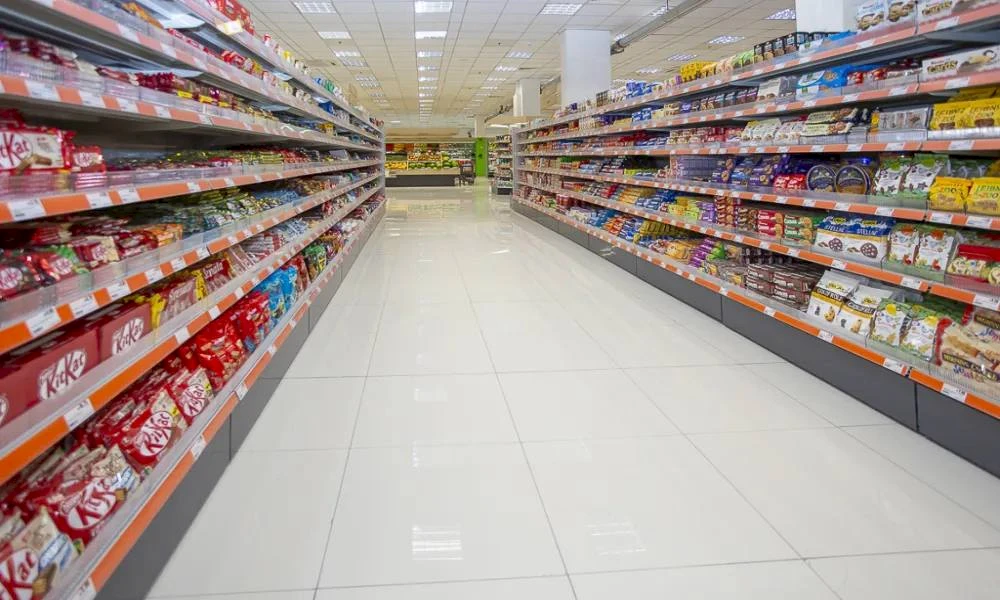
Amid growing tensions in the Middle East and the war surrounding Iran, discussion is intensifying in Cyprus regarding potential risks to the island's economy. Primarily, this concerns the supply of food and industrial goods, which Cyprus largely receives from abroad.
The first signs of market pressure are already appearing — most notably in the fuel sector.
Fuel prices rising: the effect of global instability
According to authorities, a noticeable increase in petroleum product prices has been observed on the island since February 27:
- 95 octane petrol has increased by an average of 6.5 cents,
- diesel — by approximately 10 cents,
- heating oil — by 8.5–9 cents.
The increase began at the refinery level and is gradually being passed on to petrol stations. Despite this, Cyprus remains one of the European countries with relatively low fuel prices.
Director of the Consumer Protection Service, Konstantinos Karagiorgis, stated that the department is closely monitoring the situation. According to him, prices are analyzed using a special monitoring formula, and authorities are ready to intervene if speculation or unjustified price hikes are detected.
Potential knock-on effect for goods
For the island's economy, rising fuel costs are of particular importance. Cyprus is an island nation dependent on maritime transport and imports, so any increase in fuel costs automatically increases the cost of:
- food transportation
- delivery of industrial goods
- domestic logistics
This means that even a moderate rise in oil prices could eventually lead to higher costs for a wide range of goods — from food to household appliances.
This is why economists are closely watching the situation in the Strait of Hormuz, through which a significant portion of the world's oil trade passes. Any escalation in the region could impact energy costs and maritime shipping.
Food supply: no interruptions so far
Despite concerns, authorities emphasize that there is currently no food shortage in Cyprus.
According to Karagiorgis:
- product supplies are continuing normally,
- local suppliers are operating without interruption,
- recent temporary shortages were caused by psychological factors and panic buying.
The market situation has now stabilized. Nevertheless, certain product categories may still see price increases. Specifically, price pressure is observed in the meat sector. This is due to the spread of foot-and-mouth disease, which is affecting the beef market and may force consumers to switch to more affordable alternatives, such as chicken.
Electricity and potential price regulation
In addition to fuel and food, the possibility of rising electricity costs is being discussed, as the Cypriot power system also depends on imported fuel.
The country's legislation provides for a mechanism to set price caps on essential goods, similar to those used in Greece. However, according to Consumer Protection Service representatives, there is currently no need for such intervention. The primary reason is high market competition and price fluctuations that remain within acceptable limits for now.
The war in Iran as a risk factor
Although there is no direct shortage of goods due to the war surrounding Iran at present, the indirect impact of the conflict is already being felt through the energy market and logistics.
Any further escalation could lead to:
- higher oil and fuel prices
- increased maritime shipping costs
- rising costs of imported goods
For a country where a significant portion of food and industrial products comes from abroad, these factors may gradually affect consumer prices. Therefore, authorities continue to monitor the situation closely, trying to prevent speculation and minimize the consequences of global instability for the Cypriot market.
Author

Born in the city of shipbuilders, Mykolaiv (Ukraine). Currently living in Moscow. Diplomat in reserve. More than 10 years of experience in the Mediterranean region (Greece, Cyprus). Until 2015, First Secretary of the Russian Embassy in Cyprus. Fluent in Greek and English. Completed civil service in…
You may also be interested in:
- Strovolos Launches Cleanup and Infrastructure Repair Campaign in Refugee Settlements
- European Commission Allocates €21.2 Million to Cyprus from Recovery Fund
- Audit Reveals Serious Issues in Cyprus Land Registry
- Man Detained in Cyprus Over Attack on Mobile Camera Driver
- Limassol Carnival Left 50 Tons of Waste — 500 Volunteers to Take Part in Cleanup
