
EU Satellite Communications for Cyprus: Protection or New Dependence?
Cyprus has joined the European Union's new secure satellite communications system. This refers to the EU GOVSATCOM center—a European program providing secure governmental communications via satellites.
According to the Ministry of Defence, the Republic has made its first purchase and begun utilizing these services, becoming one of the nations to move into practical operations with the system.
How the System Works
The GOVSATCOM center pools satellite resources from several European countries. Capacities are provided by:
- France
- Greece
- Italy
- Luxembourg
- Spain
These resources are then utilized by all EU member states.
Cyprus has been connected to the system since January 2026 and has now completed its initial procurement and launch of satellite services for governmental needs.
Why It Is Needed
Satellite communications are used by Cypriot state structures, including for security tasks.
Specifically, it involves the communication and coordination of services responsible for securing the EU's southeastern borders.
For its first operation, Cyprus utilized satellite capacity from the Greek operator Hellas Sat.
Who Manages the Program
The GOVSATCOM program is managed by the European Commission and implemented through the European Union Agency for the Space Programme.
The system will expand in the future, with plans to launch the new European satellite constellation IRIS², expected to be operational after 2029.
Pros and Questions
For Cyprus, the new system means more reliable and secure communications for state agencies.
However, there is a flip side: the Republic relies on the satellite resources of other EU countries and becomes part of a collective European communications network.
Thus, while Cyprus gains new security capabilities, it is simultaneously becoming more deeply integrated into the common infrastructure of the European Union.
Author
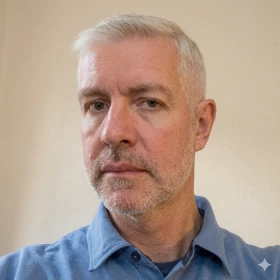
Born in the city of shipbuilders, Mykolaiv (Ukraine). Currently living in Moscow. Diplomat in reserve. More than 10 years of experience in the Mediterranean region (Greece, Cyprus). Until 2015, First Secretary of the Russian Embassy in Cyprus. Fluent in Greek and English. Completed civil service in…
