
Strengthening of the British Presence in Cyprus: Routine or a Signal of Imminent Risks?
In recent days, the UK has been noticeably strengthening its military presence in Cyprus — a strategic island in the Eastern Mediterranean where British Sovereign Base Areas are located. Formally, these are defensive measures, but the scale and nature of the deployment raise questions: is London preparing for a potential crisis in the region?
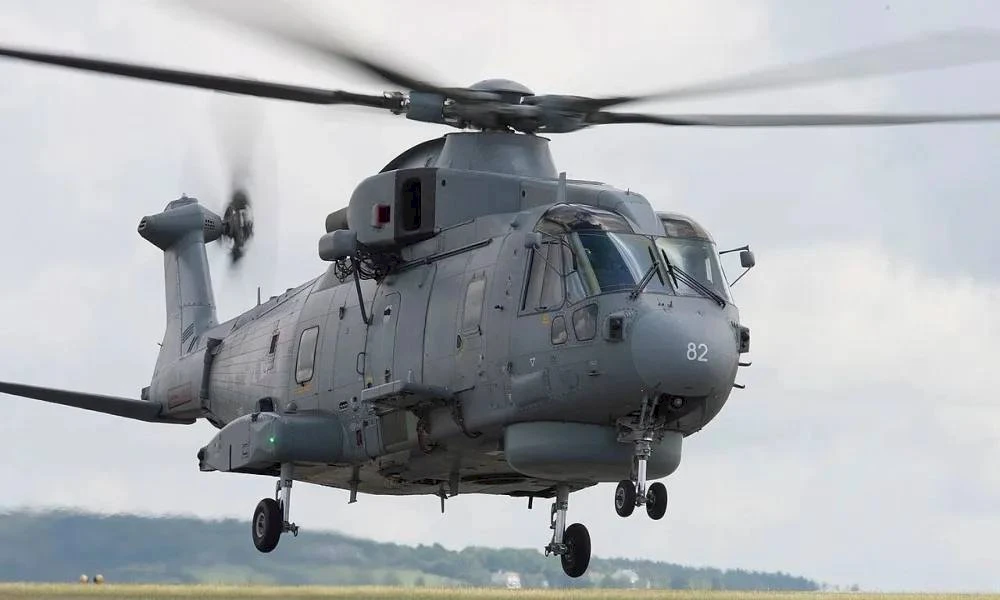
New Equipment and Ships
Britain has reportedly sent a Royal Navy Merlin Mk2 helicopter to Cyprus to bolster the defense of its military bases. The aircraft was deployed from the naval air station in Cornwall and joined two AW159 Wildcat helicopters already stationed on the island.
According to British officials, the Merlin is capable of providing an "additional layer of defense." It can fly at altitudes of up to one mile and perform early warning functions, tracking the approach of missiles or unmanned aerial vehicles.
The naval component is also being reinforced. UK Defense Secretary John Healey told the House of Commons that the destroyer HMS Dragon would head to Cyprus "within the next two days." According to him, crews are working nearly around the clock to prepare the ship for departure.
But the plans do not end there. The UK Ministry of Defense has also placed the landing ship RFA Lyme Bay on high alert, which may be sent to the Eastern Mediterranean.
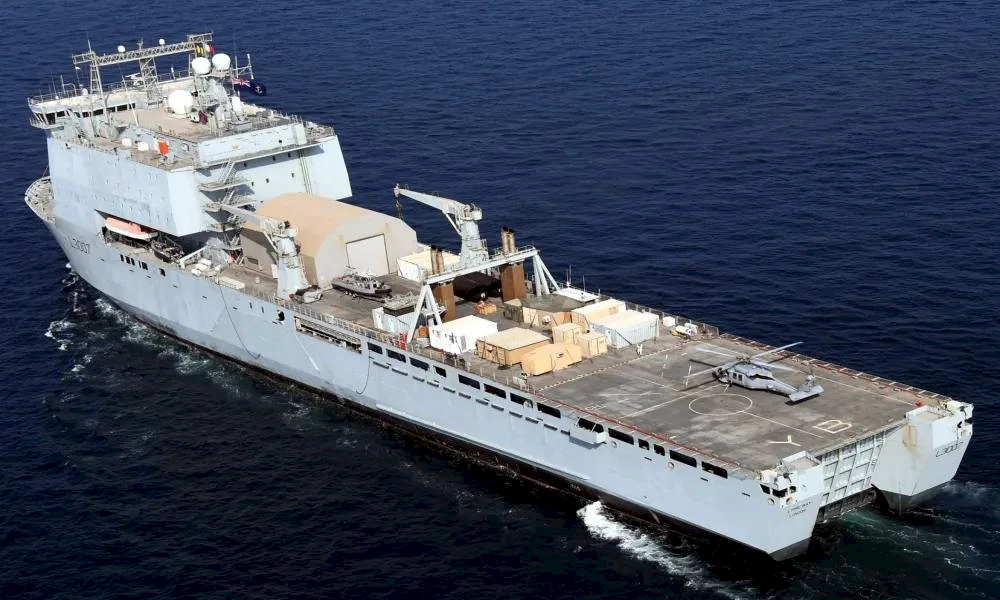
Why a Landing Ship specifically?
The choice of this particular type of vessel is of particular interest. RFA Lyme Bay is more than just a supply ship. It can act as an aviation platform, accommodate helicopters and landing craft, and has onboard medical facilities.
Such ships are often used not only in military operations but also in humanitarian missions: evacuating civilians, providing medical assistance, delivering humanitarian aid, and disaster relief. Additionally, the vessel is capable of providing logistical support to the fleet — from refueling to supplying the Royal Marines.
This versatility leads some analysts to suggest that it may not only be about base protection but also preparation for potential emergency scenarios.
Potential Factor of Migration Pressure
Cyprus is located just a few hundred kilometers from the Middle East — a region where instability regularly leads to mass movements of people. In recent years, the island has already faced increasing migration pressure.
In this context, the arrival of a landing ship with medical capabilities and high carrying capacity could signify preparation for humanitarian operations — such as receiving and accommodating people rescued at sea.
In other words, the British military appears to be considering a scenario where a new wave of illegal migration or a humanitarian crisis could emerge in the Eastern Mediterranean. In such a situation, a Lyme Bay-class ship can quickly transform into a floating relief center: taking people on board, providing medical support, and coordinating rescue operations.
A Signal of Alarming Forecasts?
Officially, London explains the increased presence as a necessity to protect its bases and support regional stability. However, the simultaneous deployment of early detection assets, a warship, and a versatile landing vessel looks like preparation for several scenarios at once — from military threats to humanitarian ones.
This could mean one thing: British military analysts are likely forecasting elevated risks for Cyprus and the entire Eastern Mediterranean.
And if a crisis does break out — whether it's a new spiral of conflict in the Middle East or a sharp increase in migration — the UK wants to meet it fully prepared. Not only militarily, but humanitarily as well.
Author

Born in the city of shipbuilders, Mykolaiv (Ukraine). Currently living in Moscow. Diplomat in reserve. More than 10 years of experience in the Mediterranean region (Greece, Cyprus). Until 2015, First Secretary of the Russian Embassy in Cyprus. Fluent in Greek and English. Completed civil service in…
You may also be interested in:
- Strovolos Launches Cleanup and Infrastructure Repair Campaign in Refugee Settlements
- European Commission Allocates €21.2 Million to Cyprus from Recovery Fund
- Audit Reveals Serious Issues in Cyprus Land Registry
- Man Detained in Cyprus Over Attack on Mobile Camera Driver
- Limassol Carnival Left 50 Tons of Waste — 500 Volunteers to Take Part in Cleanup
