
Scientists Discover Protein Capable of Reversing Age-Related Memory Decline
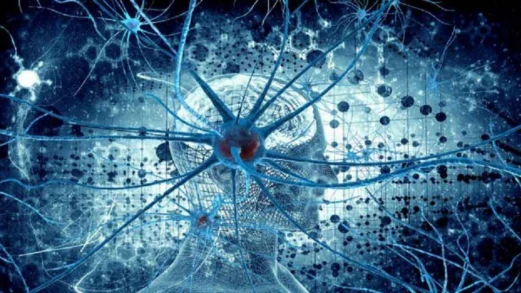
An international team of researchers from the National University of Singapore (NUS) has announced a breakthrough in studying age-related brain changes. The results, published in the journal Science Advances, suggest the possibility of restoring neuronal activity even in aging cells.
The focus of the study was a protein called DMTF1. Scientists found that its level decreases with age, leading to a reduced ability of neural stem cells to divide and form new neurons. This is directly linked to memory decline and decreased learning capacity.
In laboratory conditions, researchers restored DMTF1 levels in "aged" cells. As a result, the cells began actively dividing and producing new neurons—a process characteristic of a younger brain.
According to the study’s lead, Associate Professor Ong Sek Tong Derrick, the DMTF1 protein interacts with DNA protection mechanisms and can activate growth genes even when telomeres shorten—a key sign of aging.
Experts emphasize that the work is still at an early stage, but in the future, the discovery could form the basis for developing drugs that slow or partially reverse age-related cognitive decline. The next step is testing the method's safety and ruling out potential risks, including tumor development.
If further studies confirm the approach’s effectiveness, it could open a new chapter in treating age-related memory disorders.
Author

I am originally from St. Petersburg — a city with a unique character and rhythm. My professional life began rapidly: at just 16, I plunged into the world of global events. The World Cup, the roar of Formula 1 cars in Sochi, the energy of VK Fest, and the backstage of Fashion Week — I always…
