Safety Measures During Flooding in Cyprus
Heavy rainfall and local flooding in the Republic of Cyprus occur more often in autumn and winter, especially during storm warnings. The most vulnerable areas are low-lying districts, underground parking lots, dried riverbeds, coastal zones, and roads with poor drainage. During warnings from Civil Defence and the Meteorological Service, it is recommended to limit travel, not park vehicles in low-lying areas, and follow official updates.
Even during a short downpour, water on the roads can quickly rise to a dangerous level. The main risk is not only flooding of homes, but also sudden flows of water on highways, bridges, and in urban areas.
- What to do in advance
- How to act during flooding
- Car safety
- Home safety
- Emergency services
- Glossary
- Frequently asked questions
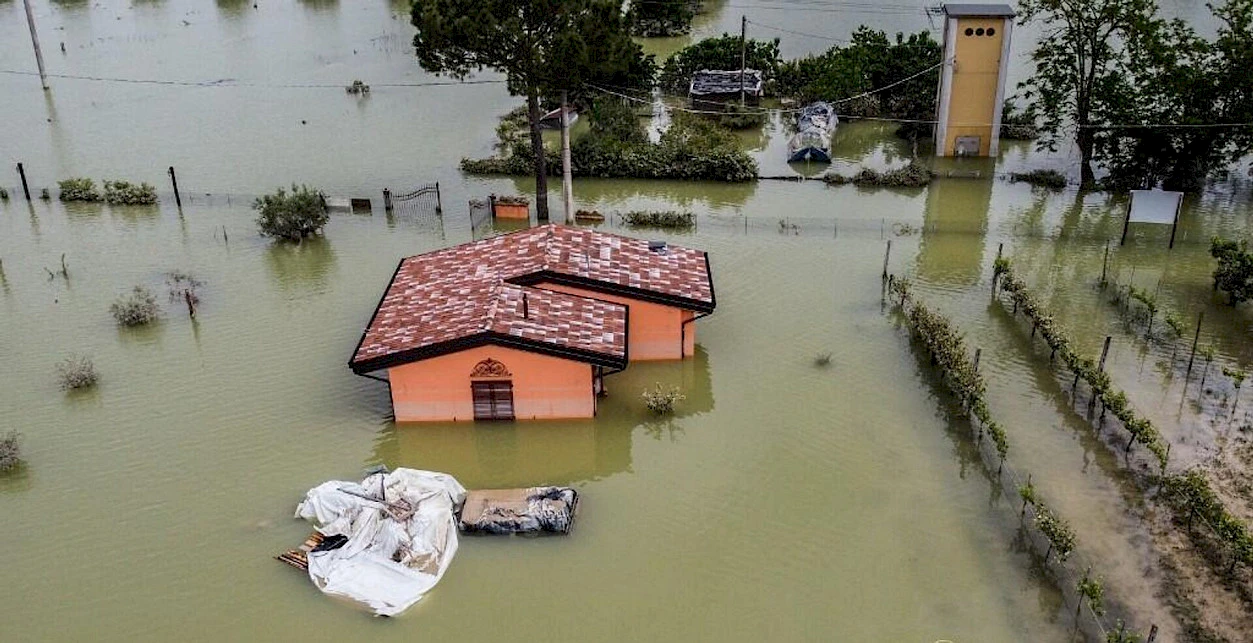
What to do in advance
If the Meteorological Service or Civil Defence issue a warning about heavy rainfall, it is advisable to prepare in advance for possible power outages, traffic restrictions, and local flooding.
- charge your phones and power bank;
- check flashlights and spare batteries;
- remove items from balconies and open terraces;
- do not leave your car in an underground parking lot or low-lying area;
- prepare a supply of drinking water and necessary medicines;
- follow official warnings and road conditions.
| Risk | Recommended action |
|---|---|
| Car flooding | Do not park in low-lying areas or underground parking lots |
| Power outage | Prepare flashlights, chargers, and a запас of water |
| Road closures | Avoid traveling during the storm |
| Rapid rise in water level | Do not go near riverbeds and flowing water |
How to act during flooding
If water starts rising quickly, it is important not to try to walk or drive through the current. Even shallow flow can knock a person off their feet or sweep away a car.
- do not walk across flooded roads;
- do not try to drive through flowing water;
- stay away from riverbeds and bridges;
- avoid underground parking lots and tunnels;
- do not touch damaged power lines;
- if there is a threat of flooding, move to an upper floor or higher ground.
If emergency services recommend staying at home, it is better to отказаться from non-essential trips until the storm is over.
Car safety
In Cyprus, many rescue operations during storms are associated precisely with cars stuck in water. Water can rise quickly even on a city road.
What the driver should do
- Do not drive onto a flooded section of road, even if other vehicles are trying to pass through.
- If the engine stalls in water, do not try to start the car again.
- If water rises quickly, leave the vehicle and move to higher ground.
- If necessary, call the emergency services.
After flooding, it is advisable to have the car checked at a service center: water ingress can damage the engine, braking system, and electronics.
Home safety
In the event of a threat of flooding in a house or apartment, it is recommended to:
- disconnect electrical appliances from the power supply;
- do not use electrical appliances with wet hands;
- move documents and valuables above floor level;
- close windows and doors;
- do not go down to the basement or underground parking lot when the water rises.
If the premises are already flooded, first make sure that the electricity is switched off, and only then enter inside.
Emergency services
During an emergency in Cyprus, you can use the single European emergency number.
- Emergency assistance: 112
- Fire Service: 199
- Police: 112
- Civil Defence: civildefence.gov.cy
- Meteorological Service: moa.gov.cy/ms
Glossary
- Civil Defence — the civil defense service of the Republic of Cyprus, which publishes warnings and instructions during emergencies.
- Meteorological Service — the state meteorological service of the Republic of Cyprus.
- Storm Warning — an official warning about adverse weather conditions.
- Flash Flood — a sudden flood after heavy rain.
Frequently asked questions
When do floods happen most often in Cyprus?
The highest risk is observed in autumn and winter during heavy rainfall and storm warnings.
Can I drive on a road if the water seems shallow?
No. Even a small current can sweep away a car or damage the engine and electronics.
What should I do if my car stalls in water?
Do not try to start the engine again. If the water level is rising, leave the vehicle and move to a safe place.
What emergency number is used in Cyprus?
For emergencies, the single number 112 is used.
Where can I follow weather warnings?
Official warnings are published by the Meteorological Service and Civil Defence of the Republic of Cyprus.
Author

I am a person who is not afraid to change life when my heart tells me that something greater lies ahead. I am originally from Belarus. I have journeyed from pedagogical and economic education to the financial sector and many years of work in logistics — a world where everything moves, changes,…
You may also be interested in:
- SafeCY in the Republic of Cyprus: How to Find the Nearest Shelter on the Map
- Botanical Paradise: The Island’s Earliest Wildflowers — Anemones
- Pitsilia in Cyprus: Culinary Traditions and Famous Meat Delicacies
- Public workshops for children and adults O Topos en oi Anthropoi (“The Place Is People”) — Republic of Cyprus 2026
- Valentine’s Day Gift Ideas in the Republic of Cyprus