
The fuel question in the EU: Crisis or price shock in Cyprus?
The European transport sector is under severe pressure amid a sharp rise in energy prices. However, as representatives of the European Union, including those in the Republic of Cyprus, emphasize, it is not yet a matter of a classic shortage. At the heart of the discussion is the difference between an actual lack of resources and the economic unaffordability of fuel for businesses.
Flight cancellations: Economics, not shortage
European airlines have begun mass adjustments to their schedules, reducing or completely closing certain routes. This has caused a wave of concern among passengers and experts.
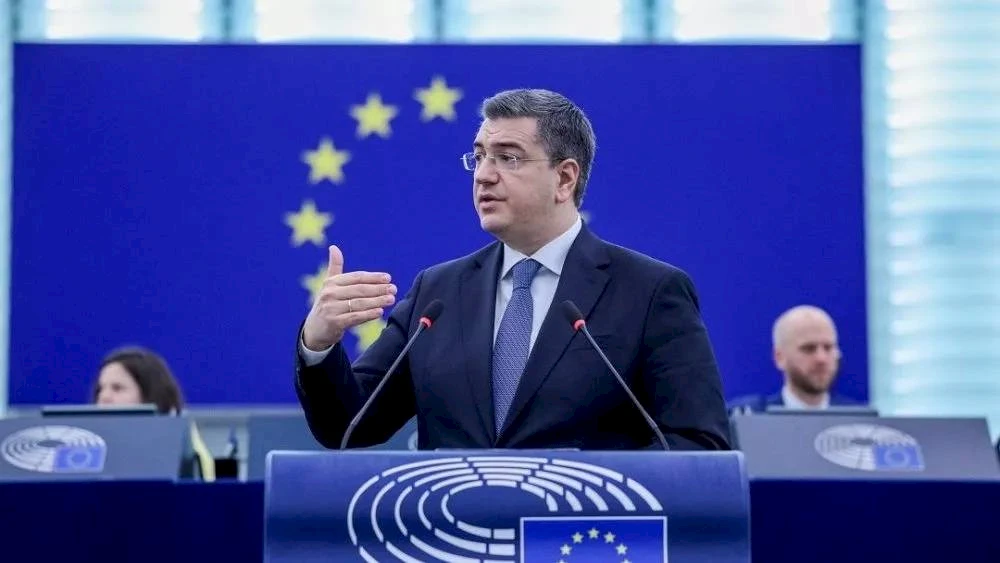
EU Transport Commissioner Christos Stylianides stated from Brussels that the reasons for these decisions lie not in a lack of aviation fuel, but in its cost. According to him, fuel prices have more than doubled, which has sharply changed the economics of air travel.
Even routes that until recently balanced on the brink of profitability are now becoming loss-making. As a result, carriers are forced to review their operations, abandoning destinations that no longer justify the costs.
Thus, the current situation reflects not so much a physical shortage of fuel as a crisis of its affordability for business.
Will there be fuel supply disruptions in Cyprus?
The possibility of short-term disruptions in the supply of transport fuel on the island exists due to geopolitical tensions in the Middle East; however, the authorities are taking measures to prevent a shortage. Cyprus Transport Minister Alexis Vafeades drew attention to the need to be prepared for various scenarios.
He stressed that the current situation requires vigilance. At the same time, the minister emphasized the word “probability”, urging people not to succumb to panic. Special attention is paid to preventing social consequences — in particular, queues at gas stations. According to Vafeades, the task of the authorities is not only to react to the crisis but also to prevent such phenomena in advance.
Balance between calm and preparedness
European officials are striving to maintain a fine line between informing and preventing panic. On one hand, it is emphasized that the situation is not critical: EU countries are not on the verge of a fuel collapse. On the other, it is admitted that even hypothetical disruptions could affect every citizen, impacting transport, logistics, and daily life.
European Commission response: Accelerate EU plan
At the center of the European response is a new European Commission energy plan called Accelerate EU, which is to be presented shortly. The document will be a response to challenges related to the Middle East crisis and will pay special attention to transport fuel, including aviation fuel.
Among the key areas of the future strategy are:
- coordination of EU countries' actions at the pan-European level;
- increasing the resilience of transport systems and supply chains;
- reducing the impact of price spikes on citizens and businesses;
- preparation for possible short-term supply disruptions.
Commissioner Dzidzicostas noted that the plan will also take into account proposals from member states and will become the basis for longer-term energy resilience.
Geopolitics as a risk factor
The developing crisis in the Middle East is already affecting the European transport sector. It increases price volatility and raises risks for fuel supplies. Under these conditions, the EU is forced not only to react to current challenges but also to review its energy security strategy as a whole, especially in the transport sector.
Perspective: From reaction to systemic solutions
The current situation shows that the main problem for the EU today is not so much a physical lack of fuel as vulnerability to external shocks and price fluctuations. The European Union aims to move from reactive measures to a systemic approach: strengthening resilience, diversifying supplies, and reducing dependence on external factors.
The question facing the community and residents in Cyprus is now broader: not "is there fuel today," but "how resilient is the system tomorrow."
Author

Born in the city of shipbuilders, Mykolaiv (Ukraine). Currently living in Moscow. Diplomat in reserve. More than 10 years of experience in the Mediterranean region (Greece, Cyprus). Until 2015, First Secretary of the Russian Embassy in Cyprus. Fluent in Greek and English. Completed civil service in…
You may also be interested in:
- Larnaca begins inspections of high-risk buildings: 563 cases in queue
- Europe speeds up energy pivot: What is behind the AccelerateEU initiative in Cyprus
- Europe at a crossroads: The fate of the sixth-generation fighter is decided in Cyprus
- Fuel prices rising: How the Iran crisis changed prices in Europe and why Cyprus stayed aside
- Emergency room visits increase in Cyprus due to dust storm
