
EU trade slows down: how it could impact Cyprus
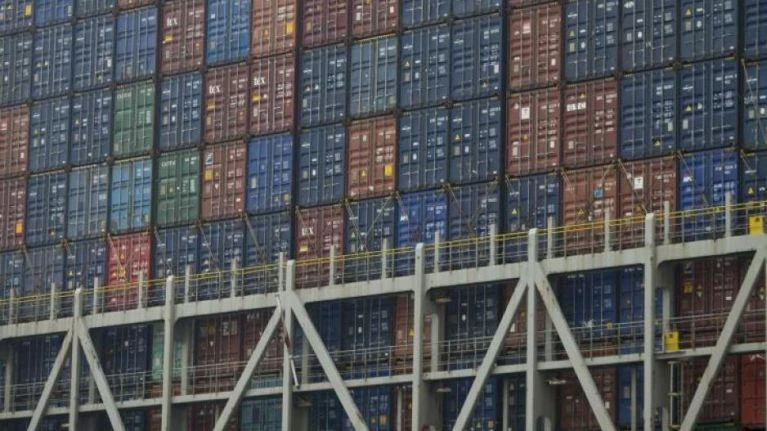
The European Union's economy is facing a noticeable decline in its foreign trade surplus. According to Eurostat, in March 2026, the eurozone trade surplus narrowed to €7.8 billion compared to €34.1 billion a year earlier. The primary drivers were falling exports and rising imports, particularly in the energy sector.
Goods exports from eurozone countries fell by 5.5% to €265.3 billion, while imports increased by 4.4% to €257.4 billion. Surpluses in the chemical industry, machinery, and automotive sectors dropped most notably. A similar trend is visible across the entire European Union, with the overall EU surplus shrinking to €5.9 billion.
For Cyprus, these developments hold significant importance. The island's economy is closely linked to the European market through tourism, services, shipping, and imports. A weakening European economy could lead to lower consumer spending across EU nations, directly impacting tourist arrivals and demand for Cypriot business services.
High energy prices remain an additional risk factor. As an import-dependent country, Cyprus is highly vulnerable to rising fuel and logistics costs. This affects pricing in retail trade, transport, and the hospitality sector.
At the same time, experts point out that intra-EU trade continues to grow, rising by 2.7% in the first quarter of 2026. This could partially sustain the Cypriot economy, particularly in financial services, shipping, and the digital sector.
Despite the overall trade slowdown in the EU, the Cypriot economy currently maintains its resilience due to its diversified services sector and ongoing investments in tourism, technology, and energy.
Author

Born in the city of shipbuilders, Mykolaiv (Ukraine). Currently living in Moscow. Diplomat in reserve. More than 10 years of experience in the Mediterranean region (Greece, Cyprus). Until 2015, First Secretary of the Russian Embassy in Cyprus. Fluent in Greek and English. Completed civil service in…
